
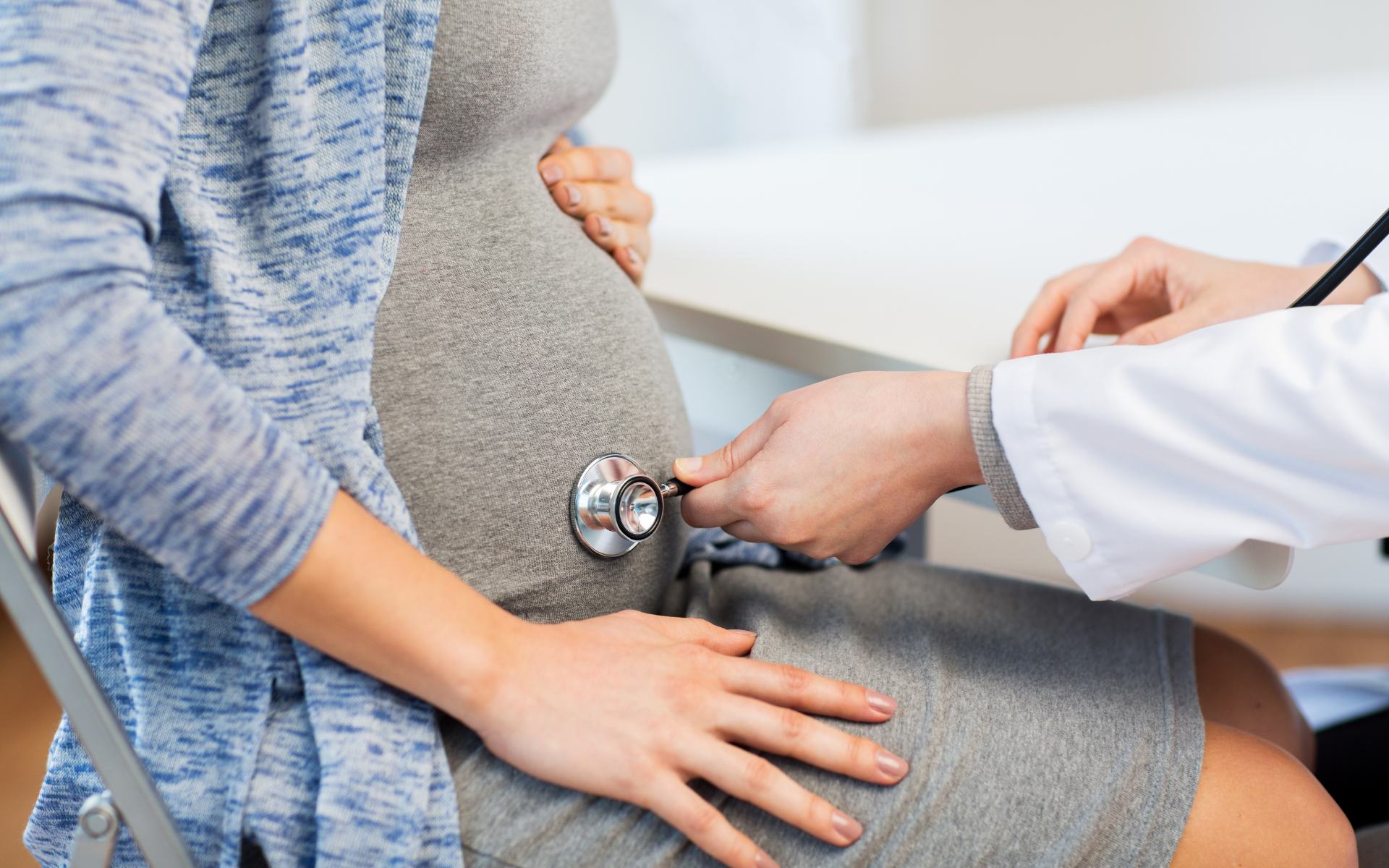
Planning a pregnancy is an important step that involves more than simply stopping contraception. Preparing your body three months before trying to conceive can help you focus on nutritional health, hormonal balance, menstrual health, lifestyle habits and identifying medical conditions that may need attention before pregnancy.
The three months before conception can be a valuable time for both partners to make healthier lifestyle choices, review medications, understand the menstrual cycle and schedule a preconception check-up. These steps do not guarantee pregnancy, but they can support overall reproductive health and help make pregnancy planning more informed.
Whether you are planning your first pregnancy or trying to conceive after a previous pregnancy, preparing in advance can help you feel more confident about the journey.
Why Should You Prepare for Pregnancy Three Months in Advance?
The preconception period is an opportunity to address health factors that may affect conception and pregnancy. Many women begin taking care of their health only after a positive pregnancy test, but certain steps are ideally taken before conception.
Preparing three months in advance allows couples time to:
- Begin folic acid supplementation.
- Review existing medical conditions.
- Check medications for pregnancy safety.
- Improve nutritional habits.
- Maintain a healthy weight.
- Understand menstrual cycles and ovulation.
- Stop smoking and avoid alcohol.
- Evaluate fertility concerns early.
- Review vaccination status with a healthcare provider.
- Improve male reproductive health.
This preparation is important because some aspects of early pregnancy development begin before a woman even knows she is pregnant.
Month 1: Start With a Preconception Health Check-Up
The first month should focus on understanding your current health and identifying anything that may require attention before you start trying to conceive.
Schedule a Gynaecological Consultation
A preconception consultation with a gynaecologist can help assess your menstrual health, previous pregnancies, medical history, family history and pregnancy-related risk factors.
The doctor may ask about:
- Menstrual cycle regularity.
- Previous miscarriages or pregnancy complications.
- PCOS or thyroid disorders.
- Previous surgeries.
- Diabetes or high blood pressure.
- Current medications and supplements.
- Family history of genetic conditions.
- Previous difficulty conceiving.
Based on your history, your doctor may recommend blood tests, ultrasound or other investigations. Not every woman requires an extensive fertility test panel before trying to conceive.
Start Taking Folic Acid
Folic acid is one of the most important supplements to begin before pregnancy.
It helps reduce the risk of neural tube defects, which affect the developing brain and spinal cord of the baby. These structures develop during the early weeks of pregnancy, often before a woman knows she is pregnant.
Most women planning pregnancy are advised to take 400 micrograms of folic acid daily, starting at least one month before conception and continuing through early pregnancy, according to medical guidance.
Some women may need a higher dose because of specific medical or pregnancy risk factors. A higher dose should be taken only when recommended by a healthcare professional.
Do not depend only on food sources of folate when a preconception supplement has been recommended.
Review Your Existing Medications
If you take medication regularly for thyroid disease, diabetes, epilepsy, hypertension, acne or any other condition, discuss it with your doctor before trying to conceive.
Some medications may need dose adjustments or replacement with safer alternatives before pregnancy.
Never stop prescribed medication on your own. Uncontrolled medical conditions may also pose risks during pregnancy, so a planned medication review is important.
Check Your Vaccination Status
Certain infections can affect pregnancy and fetal development. Your doctor may review vaccination history and immunity to infections such as rubella and varicella (chickenpox).
Some vaccines are recommended before pregnancy and may require delaying conception for a specific period after vaccination. Your doctor can advise you according to your vaccination history and the vaccine administered.
Month 2: Improve Nutrition and Build Healthy Lifestyle Habits
The second month is an ideal time to focus on healthy routines that can be maintained during pregnancy.
Follow a Balanced Diet for Fertility and Pregnancy Preparation
There is no single fertility diet that guarantees conception. However, a balanced diet can help support overall health, maintain energy levels and provide essential nutrients needed before pregnancy.
Include a variety of foods such as:
- Green leafy vegetables.
- Seasonal fruits.
- Whole grains.
- Pulses, beans and lentils.
- Nuts and seeds.
- Milk, curd and other dairy products if tolerated.
- Eggs and other protein sources.
- Healthy fats.
Women following vegetarian diets should pay attention to iron, vitamin B12, protein and other nutrients that may require additional assessment.
Avoid crash diets, excessive fasting or restrictive eating plans while planning pregnancy.
Maintain a Healthy Body Weight
Body weight can influence hormonal balance and reproductive health. Being significantly underweight or overweight may affect ovulation, menstrual regularity and pregnancy-related health risks.
Women with PCOS may also have insulin resistance, which can influence hormonal function and ovulation.
If weight management is required, gradual changes in diet and physical activity are generally more sustainable than rapid weight-loss methods.
The aim is not to achieve a particular body shape before pregnancy but to support a healthy body and reduce modifiable risk factors.
Exercise Regularly
Regular physical activity can support cardiovascular health, improve energy levels, help maintain a healthy weight and reduce stress.
Pregnancy planning is a good time to establish a routine that includes activities such as:
- Brisk walking.
- Swimming.
- Light strength training.
- Yoga.
- Cycling.
- Stretching exercises.
Choose activities that suit your current fitness level. Avoid suddenly starting intense exercise routines if you are not accustomed to them.
Reduce Caffeine Intake
High caffeine consumption may be associated with pregnancy-related concerns. Women planning pregnancy should discuss their caffeine intake and aim to keep it moderate.
Remember that caffeine is not limited to coffee. It may also be present in tea, energy drinks, soft drinks, chocolate and some medications.
Month 3: Understand Your Menstrual Cycle and Fertile Window
As you approach the time when you plan to start trying, understanding your menstrual cycle can help you identify when conception is most likely.
Track Your Periods
Keep track of the first day of each menstrual period and the length of your cycle.
A regular menstrual cycle may suggest consistent ovulation, although regular periods do not always confirm that ovulation is occurring normally.
If your periods are very irregular, unusually heavy, frequently missed or associated with severe pain, consult a gynaecologist before starting pregnancy planning.
Understand Ovulation
Ovulation is the process through which an egg is released from the ovary. The fertile window includes the days leading up to ovulation and the day of ovulation.
Sperm can survive for several days in the female reproductive tract, while the egg remains available for fertilisation for a relatively short period after ovulation.
Having intercourse every one to two days during the fertile window can help improve the chance of conception for couples trying naturally.
Consider Ovulation Predictor Kits
Ovulation predictor kits detect a rise in luteinising hormone (LH), which generally occurs shortly before ovulation.
These kits may help identify fertile days, especially for women with relatively predictable cycles. However, they may be less reliable in some women with PCOS or irregular hormonal patterns.
If you are unsure about ovulation, your doctor may suggest cycle monitoring or other investigations.
What Should Men Do Three Months Before Trying to Conceive?
Pregnancy preparation should involve both partners. Male reproductive health can influence sperm quality, fertilisation and the overall chances of conception.
Sperm development takes approximately two to three months, which is why lifestyle changes made before trying to conceive may be relevant to sperm health.
Stop Smoking and Avoid Tobacco
Smoking can affect sperm quality and reproductive health. Men planning to conceive should stop smoking and avoid tobacco products.
Reducing exposure to second-hand smoke may also be beneficial for both partners.
Avoid Excessive Alcohol
Excessive alcohol consumption may negatively affect male reproductive health. Men planning pregnancy should reduce or avoid alcohol and discuss any concerns about their lifestyle with a healthcare professional.
Women should avoid alcohol while trying to conceive because pregnancy may occur before it is detected.
Avoid Excessive Heat Exposure
Frequent exposure to excessive heat around the testicles, including prolonged hot baths and saunas, may affect sperm production in some men.
Avoid placing laptops directly on the lap for extended periods and take reasonable precautions against excessive heat exposure.
Maintain a Healthy Lifestyle
Regular exercise, balanced nutrition, adequate sleep and maintaining a healthy body weight can support overall male reproductive health.
Men should also consult a doctor before taking testosterone injections, anabolic steroids or hormone-based bodybuilding products, as these may significantly suppress sperm production.
Medical Conditions to Address Before Pregnancy
Certain medical conditions should ideally be reviewed and managed before conception to reduce pregnancy-related risks.
PCOS
Polycystic Ovary Syndrome may affect ovulation and menstrual regularity. Women with PCOS may benefit from an assessment of metabolic health, weight, blood sugar and ovulation.
Some women may conceive naturally, while others may need ovulation-induction medication or fertility treatment.
Thyroid Disorders
Both underactive and overactive thyroid conditions can affect reproductive health and pregnancy.
Women with a history of thyroid disease should have their thyroid function reviewed before trying to conceive. Medication doses may need to be adjusted before or during pregnancy.
Diabetes
Women with diabetes should discuss blood sugar management before conception. Good glucose control before pregnancy can help reduce certain pregnancy-related risks.
Anaemia and Nutritional Deficiencies
Iron deficiency and anaemia are common health concerns and may require investigation and treatment before pregnancy.
Your doctor may recommend a complete blood count, ferritin or other nutritional tests according to your symptoms and risk factors.
Previous Miscarriages
Couples with a history of repeated pregnancy loss may benefit from an evaluation before attempting another pregnancy.
The investigations depend on the previous pregnancy history, maternal age and relevant medical findings.
Tests You May Need Before Trying to Conceive
Not every couple needs every preconception test. Your doctor may recommend specific investigations depending on your medical history.
Commonly considered tests may include:
- Complete blood count (CBC).
- Blood group and Rh status.
- Thyroid function testing.
- Blood sugar assessment.
- Rubella immunity testing.
- Screening for certain infections.
- Vitamin or iron assessment where indicated.
- Pelvic ultrasound for specific symptoms or medical indications.
- Genetic or carrier screening based on family history and individual risk.
If you have been trying to conceive without success, fertility-specific investigations may also be recommended.
When Should You Visit a Fertility Specialist Instead of Waiting?
Preparing for pregnancy is helpful, but some couples should seek fertility advice earlier instead of waiting several months.
Consult a fertility specialist if:
- You are below 35 and have tried for 12 months without pregnancy.
- You are 35 or older and have tried for six months.
- You are 40 or older and planning pregnancy.
- Your menstrual periods are irregular or absent.
- You have PCOS, endometriosis or known reproductive conditions.
- You have experienced recurrent pregnancy loss.
- You have a history of pelvic infection or tubal surgery.
- Your partner has known sperm-related concerns.
- You have undergone chemotherapy or radiation treatment that may affect fertility.
Early consultation can help identify possible causes and discuss natural conception, ovulation induction, IUI or IVF when appropriate.
Should You Get Fertility Tests Before Trying for Your First Pregnancy?
Couples do not necessarily need advanced fertility testing before trying for their first pregnancy if they have no known risk factors.
However, a preconception consultation may be helpful for reviewing health conditions, supplements, vaccinations, medications and pregnancy planning.
Tests such as AMH are not universal screening tests for every woman planning pregnancy. They may be recommended when there is a specific reason to assess ovarian reserve or when fertility treatment is being considered.
A fertility evaluation should be based on individual needs rather than unnecessary testing.
Foods and Habits to Avoid Before Pregnancy
While preparing for pregnancy, certain food choices and habits should be reconsidered to support maternal health.
Avoid Smoking and Tobacco
Smoking may affect egg quality, sperm quality and reproductive health. Couples planning pregnancy should stop smoking and avoid tobacco exposure.
Avoid Alcohol
Women planning pregnancy should avoid alcohol because conception may occur before pregnancy is confirmed. There is no established safe amount of alcohol during pregnancy.
Avoid Unprescribed Supplements
Some herbal products, fertility supplements and high-dose vitamins may not be safe during pregnancy. Always discuss supplements with your doctor before taking them.
Limit Processed Foods
Reduce excessive consumption of highly processed foods, sugary drinks, trans fats and foods with low nutritional value. Focus on a balanced and sustainable diet rather than restrictive eating.
Fertility and Pregnancy Planning at Simran IVF
Couples planning pregnancy who want guidance regarding ovulation, hormonal health, fertility investigations or difficulty conceiving can consider a consultation at Simran IVF & Fertility Centre.
Dr. Gursimran Dhaliwal (MBBS, MS, FICS) has training in reproductive medicine at CCC for Human Reproduction, Singapore, advanced operative laparoscopy at AIIMS New Delhi and further training at the Kiel School of Endoscopy, Germany.
Consultation can help couples understand their reproductive health, identify possible fertility concerns and discuss appropriate options for conception planning or infertility treatment.
For couples in the Tricity area, the Simran IVF Fertility Centre in Mohali is an option for discussing fertility concerns and pregnancy planning.
Couples from other parts of Punjab can also explore:
For appointment enquiries, call 8968999144.
Frequently Asked Questions
1. How early should I prepare my body before trying to conceive?
Ideally, begin preparing around three months before conception. This gives you time to start folic acid, review medications, improve lifestyle habits, manage existing medical conditions and consult your doctor.
2. Which vitamin is most important before pregnancy?
Folic acid is one of the most important supplements before pregnancy. Most women planning pregnancy are advised to take 400 micrograms daily, although some may need a higher dose prescribed by their doctor.
3. Can I get pregnant immediately after starting folic acid?
Yes. Folic acid does not prevent conception, and couples do not generally need to wait three months before trying. Ideally, supplementation should begin at least one month before conception.
4. Does a healthy diet improve fertility?
A balanced diet supports general health, hormonal function and pregnancy preparation. However, no specific food or diet can guarantee conception or reverse age-related fertility changes.
5. Should my husband also prepare for pregnancy?
Yes. Male partners should also focus on nutrition, exercise, sleep, avoiding smoking, reducing alcohol and reviewing medications. Sperm development takes approximately two to three months.
6. When should I visit an IVF specialist?
If you are below 35 and have been trying for 12 months, or 35 and older and have been trying for six months, fertility evaluation is generally recommended. Women above 40 and those with known fertility problems should consider earlier consultation.