
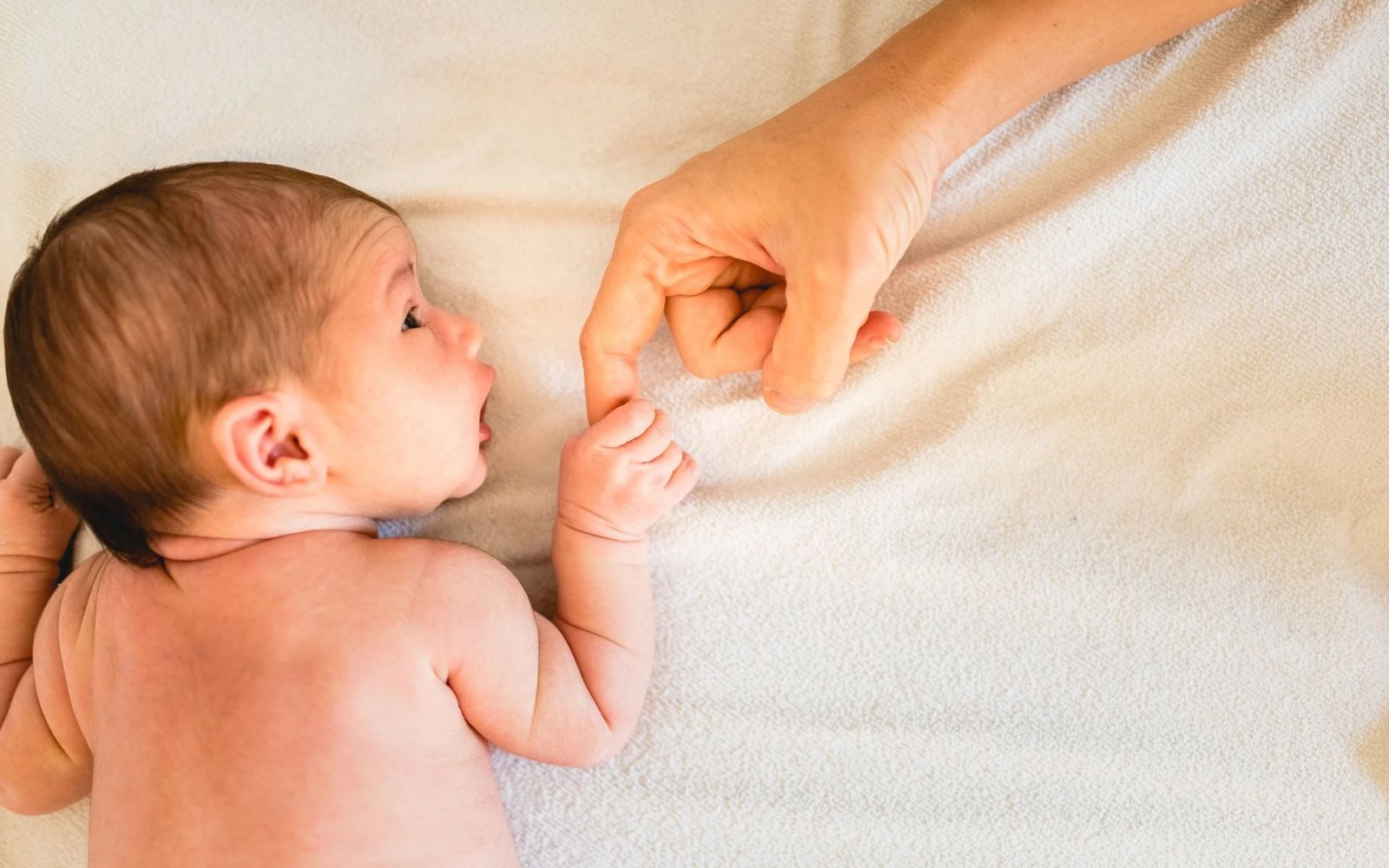
The arrival of a newborn brings happiness, excitement and many new responsibilities for parents. During the first few days after delivery, families often monitor their baby’s feeding, sleeping patterns, wet diapers and weight. One common concern is newborn weight loss after birth. Parents may feel worried when they discover that their baby weighs less than at the time of delivery.
However, some weight loss during the first few days of life is normal. Newborns naturally lose some weight as their bodies adjust to life outside the womb. The important thing is to understand how much weight loss is expected, when the baby should start gaining weight again and which warning signs require medical attention.
Regular newborn check-ups, appropriate feeding support and guidance from a paediatrician can help parents monitor their baby’s health during the early days.
Is Weight Loss Normal in Newborn Babies?
Yes. Most newborn babies lose some weight during the first few days after birth. This is generally a normal part of the transition from life inside the womb to the outside environment.
Before birth, babies receive nutrition and fluids through the placenta. After delivery, they begin feeding through breastfeeding or formula feeding. Their bodies also gradually eliminate excess fluid accumulated before and during birth.
These changes can cause a temporary reduction in body weight.
The amount of weight a baby loses can vary depending on several factors, including birth weight, feeding effectiveness, delivery method, fluid exposure during labour and the baby’s overall health.
A paediatrician usually monitors the baby’s weight during the hospital stay and subsequent newborn visits to make sure the weight pattern is appropriate.
How Much Weight Loss Is Normal After Birth?
Many healthy newborns lose approximately 5–7% of their birth weight during the first few days. Some babies may lose more, depending on individual circumstances.
Weight loss approaching or exceeding 10% of birth weight generally requires careful clinical assessment. It does not automatically mean that the baby has a serious health problem, but the paediatrician should evaluate feeding, hydration and other possible concerns.
For example, if a baby weighs 3 kg at birth, a 7% weight loss would be approximately 210 grams. A 10% loss would be approximately 300 grams.
Doctors do not assess newborn health using weight alone. They also consider feeding behaviour, urine output, stools, alertness, physical examination and the baby’s overall condition.
Parents should avoid comparing their baby’s weight directly with another newborn because each baby has different needs and feeding patterns.
Why Do Newborn Babies Lose Weight After Delivery?
There are several reasons why a baby may lose weight during the first days of life.
1. Loss of Excess Body Fluid
Newborns naturally lose some of the extra fluid present in their bodies before birth. This fluid loss contributes to the temporary reduction in weight.
2. Adjustment to Feeding
After delivery, babies begin learning how to breastfeed or take formula. During the first few days, feeding may take time to become established.
Colostrum, the first milk produced by the mother, is available in small quantities but is concentrated and provides important nutrients and immune protection. Frequent feeding helps the baby receive this early nutrition.
3. Passing Meconium
Meconium is the baby’s first stool. It is usually dark green or black, thick and sticky. Passing meconium during the first days after birth contributes slightly to the baby’s initial weight reduction.
4. Differences in Delivery and Fluid Exposure
Some babies born after Caesarean delivery may show different early weight-loss patterns. Maternal intravenous fluids given during labour can also influence the baby’s initial fluid balance and birth weight.
For this reason, healthcare professionals consider the complete delivery and feeding history when interpreting newborn weight changes.
When Should a Newborn Start Gaining Weight?
After the initial weight loss, most newborns gradually begin gaining weight as feeding becomes established.
Many babies reach their lowest weight during the first three to five days. Weight gain generally begins after this period, although the exact timing varies.
Most newborns regain their birth weight within approximately 10–14 days. Some may take a little longer, depending on feeding, health and individual circumstances.
Regular paediatric check-ups are important during this period. If the baby continues losing weight, does not show an appropriate weight-gain pattern or has feeding difficulties, a doctor may recommend further evaluation.
Signs That Your Newborn May Not Be Getting Enough Milk
One of the most important reasons for monitoring newborn weight is to identify feeding difficulties early.
Parents should observe their baby’s feeding behaviour and diaper output rather than relying only on how long the baby sleeps or cries.
Some possible signs of inadequate milk intake include:
- The baby has difficulty latching onto the breast.
- The baby appears unusually sleepy and is difficult to wake for feeding.
- Feeding sessions are consistently ineffective.
- The baby does not appear satisfied after most feeds.
- There are fewer wet diapers than expected for the baby’s age.
- The baby continues losing weight beyond the expected early period.
- The baby has a dry mouth or other signs of dehydration.
These signs do not always mean that the mother is producing insufficient milk. Latching problems, feeding technique, tongue movement and other factors may affect how effectively the baby receives milk.
A breastfeeding assessment can help identify the issue and provide appropriate support.
How Many Wet Diapers Should a Newborn Have?
Monitoring wet and dirty diapers is a useful way to understand whether a newborn is receiving enough milk.
In general, diaper output increases during the first few days:
- Day 1: At least one wet diaper is generally expected.
- Day 2: Around two wet diapers may be expected.
- Day 3: Around three wet diapers may be expected.
- Day 4 onward: Around six or more wet diapers in 24 hours is generally expected once feeding is established.
Stool patterns also change during this period. The baby’s first stools are usually meconium, followed by transitional stools that gradually become lighter in colour. Breastfed babies often develop yellow, loose stools as milk intake increases.
These are general guidelines. A paediatrician should assess diaper output alongside feeding and weight, especially if parents notice a sudden reduction in urine.
Breastfeeding and Newborn Weight Loss
Breastfeeding provides important nutrition and immune protection for newborns. However, establishing breastfeeding can take time, particularly during the first few days after delivery.
Colostrum is produced in small amounts, but it is concentrated and suitable for a newborn’s early nutritional needs.
Frequent breastfeeding helps stimulate milk production and supports the baby’s feeding routine. Many newborns feed around 8–12 times in 24 hours, although individual feeding patterns vary.
Parents can support breastfeeding by:
- Offering feeds whenever the baby shows early hunger cues.
- Ensuring the baby has a comfortable and effective latch.
- Allowing the baby to feed actively rather than watching the clock alone.
- Seeking help if breastfeeding is painful or difficult.
- Monitoring wet diapers and weight gain.
- Attending recommended newborn check-ups.
If the baby is not transferring enough milk, a healthcare professional may recommend a feeding plan. Depending on the situation, this may include expressing breast milk or temporary supplementation.
Parents should not start or stop supplementation without discussing the baby’s needs with a healthcare professional.
What Are the Warning Signs of Dehydration in Newborns?
Excessive weight loss can sometimes be associated with dehydration, particularly when a baby is not receiving enough milk.
Newborn dehydration needs prompt medical attention because babies can become unwell quickly.
Possible warning signs include:
Reduced Urine Output
A noticeable reduction in wet diapers or prolonged periods without urination may indicate inadequate fluid intake.
Dry Mouth and Lips
A baby who has a dry mouth or lips may require assessment, especially when combined with feeding difficulties or reduced urine output.
Unusual Sleepiness
Newborns sleep frequently, but unusual drowsiness, difficulty waking or reduced responsiveness should not be ignored.
Sunken Soft Spot
The soft area on the top of a baby’s head is called the fontanelle. A noticeably sunken fontanelle may be a sign of dehydration.
Poor Feeding
A baby who repeatedly refuses feeds, cannot suck effectively or becomes too tired to feed needs medical assessment.
Fever or Abnormal Body Temperature
A temperature of 38°C or higher in a baby younger than three months requires urgent medical assessment. An unusually low temperature or a baby who appears unwell also needs prompt attention.
If parents notice signs of dehydration, poor responsiveness or serious feeding difficulty, they should seek medical care without delay.
What Happens If a Newborn Loses More Than 10% of Birth Weight?
Weight loss of more than 10% is generally considered a reason for further assessment. The doctor will evaluate the baby’s overall condition and look for possible reasons behind the weight change.
The assessment may include:
- Reviewing the baby’s birth and current weight.
- Observing a breastfeeding or bottle-feeding session.
- Checking latch and milk transfer.
- Assessing wet and dirty diaper frequency.
- Examining the baby for signs of dehydration.
- Evaluating jaundice or other medical concerns.
- Recommending additional tests when clinically necessary.
Depending on the findings, the paediatrician may recommend more frequent feeding, lactation support, expressed breast milk or supplementation.
In certain cases, blood tests or hospital monitoring may be necessary. Treatment depends on the baby’s hydration status and overall health.
Is Newborn Weight Loss Linked to Jaundice?
Newborn jaundice is a common condition in which a baby’s skin and the whites of the eyes appear yellow because of increased bilirubin levels.
In some babies, inadequate milk intake can contribute to higher bilirubin levels. When a baby does not feed effectively, fewer stools may be passed, which can affect the removal of bilirubin from the body.
This is sometimes referred to as suboptimal intake jaundice.
Parents should watch for yellowing of the skin, especially if it becomes more noticeable or spreads to the abdomen, arms and legs.
A paediatrician may assess bilirubin levels and recommend treatment when required. Depending on the severity, treatment may include improved feeding support or phototherapy.
Jaundice accompanied by poor feeding, excessive sleepiness or significant weight loss requires prompt medical assessment.
How Can Parents Support Healthy Newborn Weight Gain?
Parents can take several practical steps to support their baby’s feeding and healthy development.
Establish Regular Feeding
Feed the baby frequently, following hunger cues and the advice of the healthcare team. In the early days, some sleepy babies may need to be gently woken for scheduled feeds.
Seek Breastfeeding Support
A lactation consultant or trained healthcare professional can help with positioning, latching and milk transfer.
Monitor Diaper Output
Keep a record of wet and dirty diapers, particularly during the first week. This can help the paediatrician assess feeding progress.
Attend Newborn Weight Checks
Follow the recommended schedule for weighing the baby. Regular measurements help identify whether the newborn is regaining weight appropriately.
Avoid Unnecessary Home Remedies
Do not give newborns water, honey, herbal preparations or other home remedies unless specifically directed by a qualified healthcare professional. Breast milk or correctly prepared infant formula should provide the baby’s nutrition.
Follow Medical Advice
If the baby needs additional feeding support or treatment, follow the paediatrician’s recommendations carefully.
When Should Parents Contact a Paediatrician?
Parents should contact their baby’s doctor if the newborn continues losing weight, has difficulty feeding, produces fewer wet diapers than expected or does not regain birth weight within the usual period.
Seek urgent medical attention if the baby:
- Is difficult to wake or unusually unresponsive.
- Refuses several feeds or cannot feed effectively.
- Has signs of significant dehydration.
- Develops a fever of 38°C or higher.
- Has breathing difficulties or appears seriously unwell.
Early assessment can help identify feeding problems and prevent complications.
Why Is Regular Newborn Care Important?
The first few weeks after birth are important for a baby’s growth and development. Regular newborn check-ups help monitor weight, feeding, hydration, jaundice, temperature and general health.
Parents should also receive guidance about breastfeeding, safe sleeping, vaccination, hygiene and recognising warning signs.
OwnGen Cradle – Mother & Child Centre represents a commitment to women’s healthcare, pregnancy support and motherhood. As part of the Simran IVF and OwnGen Cradle brand journey, the focus is on helping families understand the importance of appropriate medical guidance from fertility planning through pregnancy and early parenthood.
Parents looking for fertility and healthcare information can explore the established Simran IVF locations:
- Simran IVF & Fertility Centre in Barnala
- Simran IVF & Fertility Centre in Mohali
- Simran IVF & Fertility Centre in Amritsar
Parents should confirm the availability of paediatric, newborn and maternity services directly with the centre before arranging an appointment.
Frequently Asked Questions
1. Is it normal for a newborn to lose weight after birth?
Yes. Most newborns lose some weight during the first few days because of normal fluid loss and adjustment to feeding. The baby’s weight should be monitored to ensure the loss remains within an acceptable range.
2. When should a newborn regain birth weight?
Many newborns regain their birth weight within approximately 10–14 days. Babies who take longer may need an assessment of feeding, hydration and general health.
3. Is 10% weight loss dangerous for a newborn?
A weight loss of 10% or more requires medical assessment. It does not automatically indicate a serious condition, but the doctor should check feeding effectiveness, hydration and possible underlying problems.
4. How often should a newborn breastfeed?
Many newborns breastfeed around 8–12 times in 24 hours. Feeding frequency can vary, and the baby’s age, feeding effectiveness and weight pattern should guide individual advice.
5. Should parents give water if a newborn is losing weight?
No. Newborns generally receive their required fluids through breast milk or appropriately prepared infant formula. Water should not be given unless specifically advised by a healthcare professional.