
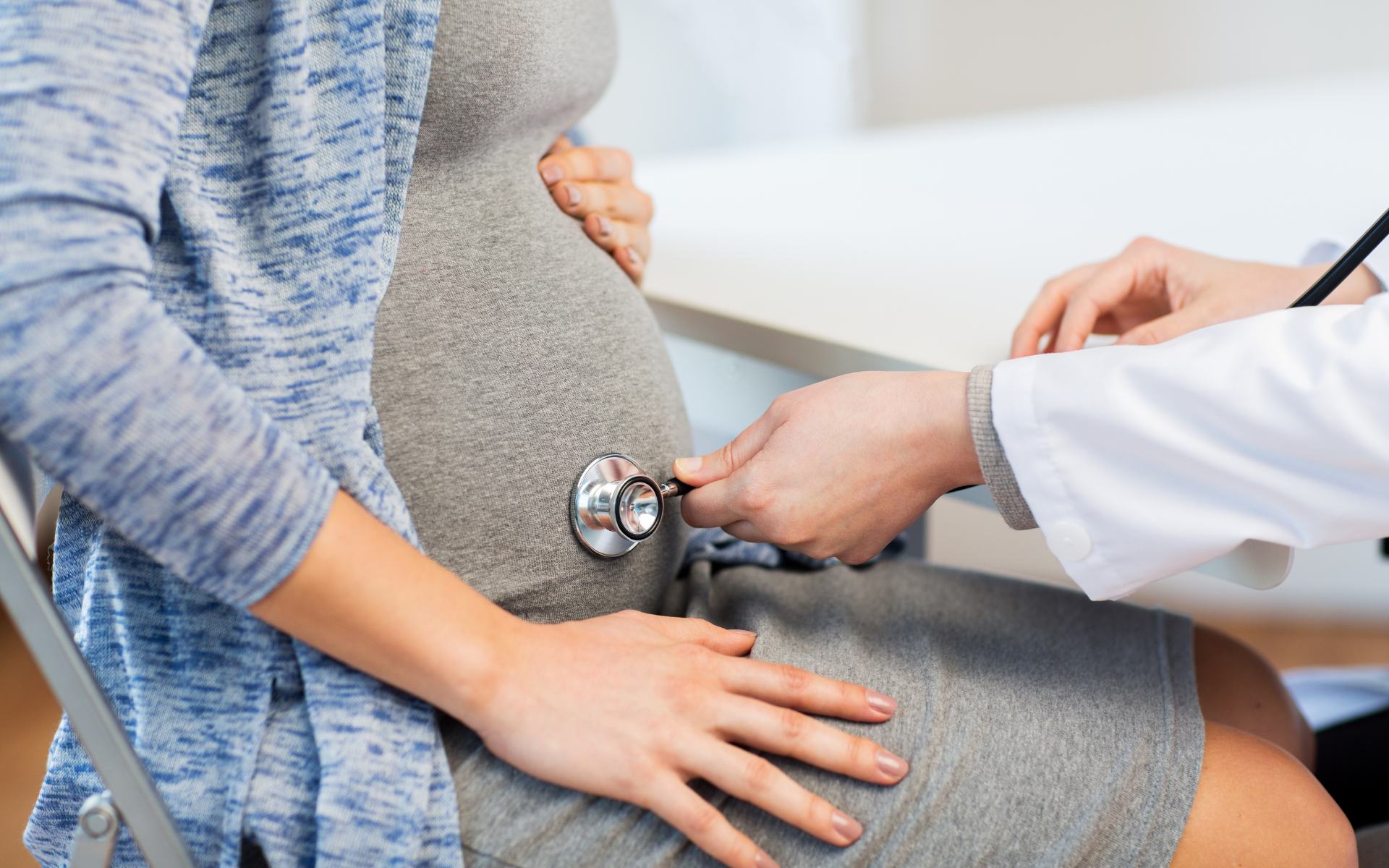
Pregnancy after a previous Caesarean section (C-section) can be a positive and healthy experience for many women. However, it may require additional planning, medical assessment and regular pregnancy monitoring. Whether a woman is planning another pregnancy or has recently discovered she is pregnant, understanding the possible considerations after a C-section can help her make informed decisions.
A previous C-section does not automatically mean that the next delivery must also be through surgery. Depending on the woman’s health, previous surgical history, current pregnancy and hospital facilities, options may include a planned repeat C-section or a vaginal birth after Caesarean (VBAC).
If you are planning another baby, consulting an experienced gynaecologist or obstetrician is an important first step. A personalised pregnancy care plan can help assess risks and guide decisions about antenatal check-ups and delivery.
1. How Long Should You Wait Before Planning Another Pregnancy?
One of the first questions women ask after a C-section is how long they should wait before trying to conceive again.
The body needs time to recover after childbirth and abdominal surgery. The uterus, abdominal tissues and overall health require adequate recovery. Becoming pregnant too soon after a delivery may increase certain pregnancy-related risks.
The ideal interval depends on several factors, including the woman’s age, recovery after surgery, previous pregnancy complications and general health. Many doctors advise discussing pregnancy spacing before trying to conceive again.
During your consultation, discuss:
- How completely your body has recovered after the previous C-section.
- Whether you experienced any surgical complications.
- Whether you had anaemia, infection or other medical concerns.
- Your age and reproductive health.
- The safest time to plan another pregnancy.
There is no single waiting period suitable for every woman. Your obstetrician can recommend an appropriate interval based on your medical history.
2. Review Your Previous C-Section Records
Your previous delivery records provide important information for planning another pregnancy. If possible, keep a copy of your previous hospital discharge summary and operation notes.
Your doctor may want to understand why the previous C-section was performed. Common reasons include:
- Baby being in a breech or unusual position.
- Failure of labour to progress.
- Fetal distress during labour.
- Placenta-related complications.
- Multiple pregnancy.
- Certain maternal health conditions.
The reason for the previous surgery may influence the delivery options available during your next pregnancy.
The type of uterine incision is also important. Although the skin scar may look similar in different cases, the incision made on the uterus can vary. A previous low-transverse uterine incision may make VBAC an option for some women, whereas certain other incision types may increase the risk of uterine rupture during labour.
Your doctor should review the actual surgical records whenever possible rather than relying only on the appearance of the external scar.
3. Can You Have a Normal Delivery After a C-Section?
Many women wonder whether vaginal delivery is possible after a previous Caesarean section. The answer is yes, in selected cases.
Vaginal birth after Caesarean (VBAC) refers to a vaginal delivery following a previous C-section. When a woman has a trial of labour after Caesarean (TOLAC) and delivers vaginally, the outcome is called VBAC.
However, not every woman is a suitable candidate.
Factors that may influence eligibility include:
- The type of uterine incision from the previous surgery.
- The number of previous C-sections.
- The reason for the earlier Caesarean delivery.
- Any previous vaginal deliveries.
- The mother’s current medical condition.
- The baby’s position and estimated size.
- The availability of emergency C-section facilities.
A trial of labour after Caesarean should take place in an appropriately equipped hospital with continuous monitoring and the ability to perform an emergency C-section when necessary.
Discuss the benefits and risks of VBAC with your obstetrician before making a delivery plan.
4. Understanding the Risk of Uterine Rupture
One important concern during labour after a previous C-section is uterine rupture. This is a rare but serious complication in which the scar on the uterus opens during pregnancy or labour.
The risk depends partly on the type of previous uterine incision and other clinical factors. A previous classical incision, which involves the upper part of the uterus, generally carries a higher risk during labour and is usually a reason to avoid planned vaginal birth.
Warning signs and symptoms may vary, and continuous monitoring during a trial of labour is important. The medical team needs to be prepared to respond quickly if complications develop.
Women should ask their doctor:
- What type of uterine incision was used previously?
- Am I suitable for VBAC?
- What monitoring will be required during labour?
- Is emergency surgical support available at the planned hospital?
Understanding these details helps women make an informed decision about their delivery options.
5. What Are the Risks of a Repeat C-Section?
A planned repeat C-section may be recommended when VBAC is not suitable or when other medical considerations make surgery the safer option.
Like every surgical procedure, a repeat C-section has potential risks. These may include infection, bleeding, blood clots, anaesthesia-related complications and injury to nearby organs.
With repeated Caesarean surgeries, scar tissue or adhesions may develop inside the abdomen. These can sometimes make subsequent surgeries more complicated.
Another consideration is the placenta. Previous C-sections are associated with an increased risk of placenta previa and placenta accreta spectrum, particularly when there are multiple uterine scars.
The placenta may attach unusually deeply to the uterine wall in placenta accreta spectrum. This can lead to serious bleeding during delivery and may require specialist care.
Your doctor can discuss the risks of repeat surgery based on your previous operations and current pregnancy findings.
6. Why Is Placenta Position Important After a Previous C-Section?
Placenta position is an important part of pregnancy monitoring, particularly for women who have had previous Caesarean deliveries.
Placenta previa occurs when the placenta partially or completely covers the opening of the cervix. It can cause bleeding during pregnancy and may affect delivery planning.
Placenta accreta spectrum refers to conditions in which the placenta attaches too deeply to the uterine wall. Previous C-section scars can increase the risk of these conditions.
An ultrasound examination helps assess the placenta’s position. If the scan suggests a possible abnormal attachment, further imaging and specialist assessment may be recommended.
Early identification is important because some placenta-related complications require planned delivery at a hospital with appropriate specialist facilities and blood transfusion support.
7. Important Pregnancy Scans and Tests
Pregnancy after a previous C-section generally involves routine antenatal investigations along with additional assessment when indicated.
Your obstetrician may recommend:
Early Pregnancy Ultrasound
An early ultrasound helps confirm the pregnancy location, assess early development and establish gestational age. In selected cases, doctors may also assess whether the pregnancy is implanted near a previous Caesarean scar.
First Trimester Screening
Depending on gestational age and clinical history, screening may include ultrasound and blood tests to assess certain chromosomal conditions.
Anomaly Scan
The detailed anomaly scan, usually performed around 18–22 weeks, evaluates the baby’s development and checks for certain structural abnormalities.
Placental Assessment
Ultrasound examinations help determine placental location. Additional assessment may be advised if placenta previa or placenta accreta spectrum is suspected.
Growth Monitoring
Later pregnancy scans may be recommended when there are concerns about fetal growth, maternal health or placental function.
Your doctor will decide the appropriate schedule based on your pregnancy and previous medical history.
8. Managing Health Conditions During Pregnancy
A previous C-section does not usually prevent a woman from having a healthy pregnancy. However, existing health conditions should be identified and managed appropriately.
Women with diabetes, high blood pressure, thyroid disorders, anaemia or obesity may need additional monitoring.
Healthy pregnancy habits can also support maternal well-being. These include eating a balanced diet, staying appropriately active, taking prescribed supplements and attending regular antenatal appointments.
Folic acid is generally recommended before conception and during early pregnancy. Iron, calcium and other supplements may be advised depending on individual requirements.
Never start or stop medicines without consulting your doctor, particularly during pregnancy.
9. Warning Signs That Need Immediate Medical Attention
Women who have had a previous C-section should understand which pregnancy symptoms require urgent medical assessment.
Contact your healthcare provider or seek emergency care if you experience:
- Vaginal bleeding during pregnancy.
- Severe or persistent abdominal pain.
- Sudden, intense pain around the abdomen or previous surgical scar.
- Fluid leaking from the vagina.
- Severe headache or blurred vision.
- Sudden swelling of the face or hands.
- Reduced or absent baby movements after movements have become established.
- Fever or feeling seriously unwell.
Not every symptom indicates a serious complication, but prompt medical assessment is important. Do not wait for your next scheduled appointment if you experience concerning symptoms.
10. When Should You Plan Your Next Delivery?
The timing of delivery after a previous C-section depends on maternal health, fetal development, the type of uterine scar and other pregnancy-related factors.
For women having an uncomplicated planned repeat C-section, delivery is commonly scheduled around 39 weeks because this reduces the risk of breathing problems in the newborn compared with earlier elective delivery.
However, an earlier delivery may be medically necessary in certain circumstances, such as placenta-related complications, maternal health concerns or other obstetric indications.
Women considering VBAC may be monitored for spontaneous labour and assessed according to their individual delivery plan.
Discuss the expected delivery date, hospital arrangements and possible emergency situations with your obstetrician well before the final weeks of pregnancy.
11. Preparing for a Healthy Pregnancy After C-Section
Planning ahead can make the next pregnancy more organised and help identify medical concerns early.
Before trying to conceive, consider scheduling a preconception consultation. Share your previous delivery records, surgical history and details of any complications.
During pregnancy, attend all recommended appointments and follow the advice of your obstetrician. Keep track of blood pressure, blood sugar and other health indicators when advised.
Maintain a balanced diet with adequate protein, vegetables, fruits and other nutritious foods. Gentle physical activity may be beneficial when approved by your doctor.
Emotional preparation is also important. Women who experienced a difficult previous delivery may feel anxious about another pregnancy or surgery. Discussing these concerns with your healthcare team can help you feel more prepared.
12. Choosing the Right Pregnancy and Maternity Care Centre
Pregnancy after a previous C-section requires careful assessment and an individualised delivery plan. Choosing an appropriate maternity care facility is important, especially when there are concerns about uterine scars, placental position or other medical conditions.
Expecting mothers should consider the experience of the obstetric team, availability of pregnancy monitoring, emergency surgical facilities, anaesthesia support and newborn care services.
OwnGen Cradle – Mother & Child Centre, associated with Simran IVF & Fertility Centre, represents a dedicated focus on women’s health, pregnancy care and motherhood. Women planning another pregnancy can seek appropriate medical guidance and discuss their antenatal care needs.
Simran IVF & Fertility Centre also provides fertility-related consultation information through its established locations:
- Simran IVF and Fertility Centre in Barnala
- Simran IVF and Fertility Centre in Mohali
- Simran IVF and Fertility Centre in Amritsar
Women should confirm the maternity services, delivery facilities and specialist availability directly with the centre before making care arrangements.
Frequently Asked Questions
1. Is pregnancy after a C-section safe?
Many women have healthy pregnancies after a previous C-section. However, individual risks depend on the previous uterine incision, recovery, pregnancy spacing and current health. Regular antenatal care is important.
2. Can I have a normal delivery after two C-sections?
Vaginal birth after two previous C-sections may be considered in carefully selected cases, but eligibility depends on the type of previous uterine incisions, medical history and availability of emergency surgical facilities. Specialist assessment is essential.
3. Does the previous C-section scar affect the next pregnancy?
The uterine scar is important because it may influence labour and delivery planning. The external skin scar does not reliably show the type of incision made on the uterus.
4. Is a repeat C-section always necessary?
No. Some women may be suitable for VBAC, while others may be advised to have a planned repeat C-section. The decision should be made after discussing individual risks and benefits with an obstetrician.
5. Can placenta problems occur after a previous C-section?
Previous Caesarean delivery can increase the risk of placenta previa and placenta accreta spectrum. Ultrasound assessment and appropriate specialist monitoring help identify these conditions.