
Introduction
Starting your first IVF cycle can bring a mixture of hope, excitement, questions, and uncertainty. For couples who have been trying to conceive naturally without success, in vitro fertilisation (IVF) may offer another opportunity to achieve pregnancy. However, understanding the treatment process before beginning can make the experience less overwhelming.
IVF is an assisted reproductive technology in which eggs are collected from the ovaries and fertilised with sperm in a laboratory. The resulting embryos are monitored, and an embryo may be transferred into the uterus when appropriate.
A first IVF cycle involves several stages, including fertility assessment, ovarian stimulation, egg retrieval, fertilisation, embryo development, and embryo transfer. Each stage requires medical supervision and may differ depending on the couple’s reproductive health.
If you are preparing for your first IVF treatment, here are ten important things every couple should understand before getting started.
1. Understand Why IVF Has Been Recommended
Before beginning IVF, it is important to understand the reason your fertility specialist has recommended this treatment.
IVF may be considered for several fertility-related conditions, including blocked or damaged fallopian tubes, certain cases of male-factor infertility, ovulation disorders, endometriosis, unexplained infertility, or unsuccessful previous fertility treatments.
However, IVF is not automatically necessary for every couple experiencing difficulty conceiving. Depending on the diagnosis, other options such as ovulation induction, timed intercourse, or intrauterine insemination (IUI) may be appropriate.
During the first consultation, discuss your medical history, previous investigations, reproductive goals, and treatment alternatives with your specialist. Understanding the reason for IVF helps you make an informed decision and know what to expect.
2. Complete the Recommended Fertility Tests
Before starting an IVF cycle, both partners generally undergo fertility assessments. These investigations help the specialist understand reproductive health and plan an appropriate treatment protocol.
For women, investigations may include hormonal blood tests, ultrasound scans, ovarian reserve assessment, and evaluation of the uterus when indicated.
An AMH test may help estimate ovarian reserve, while ultrasound examination can assess the ovaries, antral follicle count, and uterine structure. Other hormone tests, such as FSH, LH, TSH, or prolactin, may be recommended according to individual medical history.
For men, semen analysis is an important investigation. It evaluates sperm concentration, movement, and morphology. Additional hormonal or other investigations may be recommended if the results or medical history suggest a need.
The specialist may also recommend selected general health and infection screening tests before treatment. Not every couple needs every investigation, so the test plan should be personalised.
3. Learn About the Different Stages of IVF Treatment
Understanding the IVF process can help couples prepare for appointments and treatment milestones.
Ovarian Stimulation
The first major stage usually involves medications that encourage the ovaries to develop multiple follicles. Follicles are small structures that contain developing eggs.
The medication protocol and duration depend on factors such as age, ovarian reserve, previous treatment history, and medical assessment.
Follicular Monitoring
During stimulation, ultrasound scans and sometimes blood tests are used to monitor follicle development and ovarian response. The specialist may adjust medication doses depending on the findings.
Monitoring helps determine when the eggs are likely to be ready for retrieval.
Egg Retrieval
When the follicles reach an appropriate stage, a trigger medication is administered according to the treatment plan. Egg retrieval is generally performed under sedation or anaesthesia using ultrasound guidance.
The collected eggs are then assessed by the embryology laboratory.
Fertilisation
The retrieved eggs are combined with sperm in the laboratory. Depending on the medical situation, conventional IVF or intracytoplasmic sperm injection (ICSI) may be used.
Embryo Development
Fertilised eggs are monitored as they develop into embryos. The embryology team assesses their development and suitability for transfer or freezing.
Embryo Transfer
An embryo may be placed into the uterus through a thin catheter. The timing of transfer depends on embryo development and the patient’s treatment plan.
4. Understand That Every IVF Cycle Is Different
One of the most important things to remember is that no two IVF cycles are exactly alike.
Some women may respond well to ovarian stimulation, while others may produce fewer or more follicles than expected. The number of eggs retrieved, the number of mature eggs, fertilisation rates, and embryo development can vary.
Factors influencing an IVF cycle include:
- Woman’s age.
- Ovarian reserve and response to medication.
- Egg quality.
- Sperm count and quality.
- Underlying reproductive health conditions.
- Embryo development.
- Previous fertility treatment history.
Your specialist may modify the treatment protocol according to how your body responds. This does not necessarily mean that something has gone wrong; individualised treatment adjustments are a normal part of fertility care.
5. Know the Difference Between IVF and ICSI
Couples beginning their first IVF cycle often hear about ICSI and may wonder whether it is always required.
In conventional IVF, eggs and prepared sperm are placed together in a laboratory dish, allowing fertilisation to occur naturally under laboratory conditions.
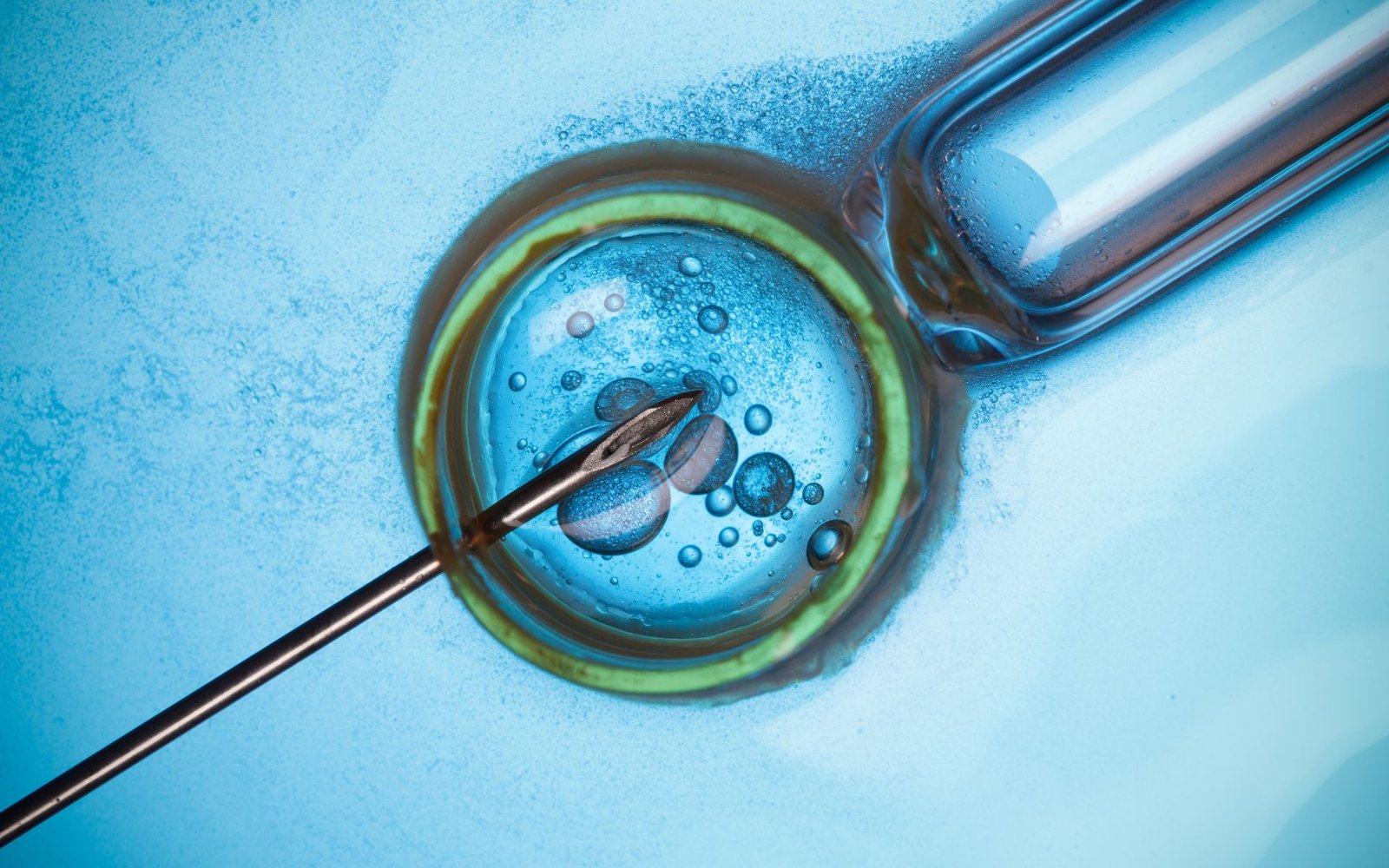
In ICSI, an embryologist injects a single sperm directly into an egg using specialised equipment.
ICSI may be recommended in selected cases, particularly when there are significant sperm-related concerns or previous fertilisation difficulties.
The decision between conventional IVF and ICSI depends on the couple’s medical history, semen analysis, and other clinical findings. ICSI is not automatically better for every patient, and the specialist should explain why a particular method is being considered.
6. Prepare for Medication, Monitoring, and Possible Side Effects
IVF treatment involves medications that support follicle development and help coordinate the timing of egg retrieval. It is important to understand the medication schedule and follow the prescribed instructions carefully.
Some women may experience temporary effects such as:
- Abdominal bloating.
- Mild pelvic discomfort.
- Breast tenderness.
- Headaches.
- Mood changes.
- Injection-site irritation.
These effects vary from person to person. Some women may experience very few symptoms, while others may find the stimulation phase more uncomfortable.
One potential complication is ovarian hyperstimulation syndrome (OHSS), in which the ovaries respond excessively to fertility medication. Symptoms can include increasing abdominal swelling, pain, nausea, vomiting, and rapid weight gain.
Severe symptoms, breathing difficulty, reduced urination, or significant pain require urgent medical assessment. Contact your fertility team if you notice concerning symptoms rather than attempting to manage them yourself.
Never change medication doses or stop prescribed treatment without consulting your specialist.
7. Understand Embryo Quality and the Embryo Transfer Process
After fertilisation, embryos are monitored in the laboratory to assess their development. The embryology team evaluates factors such as cell division and developmental stage when assessing embryo quality.
Some embryos may be considered suitable for transfer, while others may not continue developing as expected. The number and quality of embryos can vary from one cycle to another.
Fresh Embryo Transfer
In selected cases, an embryo may be transferred during the same treatment cycle in which the eggs were collected.
Frozen Embryo Transfer
Sometimes embryos are frozen for possible future use. A frozen embryo transfer may be planned in a later cycle when the uterine lining and other clinical conditions are considered suitable.
The choice between fresh and frozen transfer depends on the patient’s response to stimulation, hormone levels, embryo development, uterine conditions, and medical considerations.
A blastocyst transfer involves transferring an embryo that has developed to the blastocyst stage, commonly around day five or six after fertilisation. The timing and suitability of this approach depend on individual circumstances.
8. Be Emotionally Prepared for the IVF Journey
The first IVF cycle can be emotionally demanding. Couples may experience hope during stimulation, anxiety before egg retrieval, uncertainty while waiting for fertilisation results, and nervousness before the pregnancy test.
It is important to recognise that emotional wellbeing is an important part of the treatment experience.
Partners should communicate openly, support one another, and discuss concerns with the fertility team. Seeking emotional support from a counsellor or a trusted person may also be helpful.
Avoid comparing your treatment journey with someone else’s IVF experience. Different couples may have different diagnoses, treatment protocols, and outcomes.
Remember that an IVF cycle is a medical process, and an unsuccessful outcome does not mean that either partner has done something wrong.
9. Understand That IVF Does Not Guarantee Pregnancy
IVF can help many couples facing fertility challenges, but it cannot guarantee a successful pregnancy.
The outcome depends on several factors, including female age, egg quality, sperm quality, embryo development, uterine health, and underlying medical conditions.
Some couples may achieve pregnancy during their first cycle, while others may need further evaluation or additional treatment attempts.
It is also important to understand the difference between fertilisation, embryo development, implantation, and an ongoing pregnancy. These are separate stages, and success at one stage does not guarantee success at the next.
Ask your fertility specialist to explain how your age, diagnosis, and test results influence your individual treatment outlook. Personalised information is more useful than relying only on general IVF success statistics.
10. Follow Your Doctor’s Instructions After Embryo Transfer
After embryo transfer, couples often wonder whether they should rest completely or change their daily routine.
In most cases, prolonged bed rest is not recommended after an uncomplicated embryo transfer. Your fertility specialist will provide instructions based on your medical circumstances.
Follow the prescribed medication schedule, including any hormonal support. Do not stop medication because you feel normal or experience mild symptoms.
Avoid taking unapproved medicines or supplements. Contact the clinic if you experience heavy bleeding, severe abdominal pain, fever, or other concerning symptoms.
When Should You Take a Pregnancy Test?
A pregnancy blood test, commonly measuring beta-hCG, is usually scheduled around the date advised by the fertility clinic. Testing too early may lead to misleading results.
Symptoms such as mild cramping, breast tenderness, fatigue, or bloating cannot reliably confirm pregnancy because they may also occur due to fertility medications.
Wait for the recommended test date and discuss the result with your fertility specialist.
How Can Couples Prepare for Their First IVF Cycle?
Preparing for IVF involves more than attending medical appointments. Couples can take practical steps to make the treatment process more manageable.
Maintain a balanced diet, stay hydrated, and follow a regular sleep routine. Avoid smoking and recreational drugs, and discuss alcohol use with your doctor. Women planning pregnancy should ask their healthcare professional about folic acid supplementation and any other recommended nutrients.
Maintain moderate physical activity if your doctor considers it appropriate. During ovarian stimulation, your specialist may recommend avoiding strenuous exercise or certain activities because the ovaries can become enlarged.
Keep all medical reports and prescriptions organised. Make sure you understand appointment dates, medication timings, and whom to contact if you have questions or symptoms.
Most importantly, attend scheduled monitoring appointments and communicate openly with your fertility team.
Common Questions About the First IVF Cycle
How Long Does a First IVF Cycle Take?
The timeline varies according to the treatment protocol and whether a fresh or frozen embryo transfer is planned. The stimulation and egg retrieval stages often take a few weeks, while a frozen transfer may take place in a later cycle.
Your fertility specialist can provide a more specific timeline after reviewing your test results.
Is IVF Painful?
Some parts of IVF may cause discomfort. Hormone injections can cause mild irritation, ovarian stimulation may lead to bloating, and egg retrieval is generally performed with sedation or anaesthesia.
Experiences vary, and your clinic can explain what to expect at each stage.
Can I Continue Working During IVF?
Many women can continue their normal work routine during parts of IVF treatment. However, frequent monitoring appointments may require some scheduling flexibility. Your specialist may recommend activity modifications during certain stages.
Is Bed Rest Necessary After Embryo Transfer?
Prolonged bed rest is generally not necessary after an uncomplicated embryo transfer. Follow your clinic’s advice regarding daily activities, exercise, and medication.
What Happens If the First IVF Cycle Is Unsuccessful?
If pregnancy does not occur, the specialist may review the cycle, including ovarian response, egg retrieval, fertilisation, embryo development, and transfer details. Further investigations or changes to the treatment plan may be considered before another attempt.
IVF Treatment at Simran IVF & Wellness
Simran IVF & Wellness provides fertility consultations and treatment planning for couples exploring IVF and other reproductive treatment options.
Dr. Gursimran Dhaliwal, MBBS, MS, FICS, is a fertility specialist with professional training in reproductive medicine at the CCC for Human Reproduction in Singapore, advanced operative laparoscopy at AIIMS New Delhi, and further training at the Kiel School of Endoscopy in Germany.
Couples can seek guidance regarding IVF, IUI, ICSI, PCOS-related fertility concerns, ovulation disorders, male infertility, and other reproductive health conditions, depending on their individual needs.
Simran IVF & Wellness has established centres in Mohali, Barnala, and Amritsar. Couples can contact the clinic to discuss consultation arrangements and confirm the appropriate centre before travelling.