
Introduction
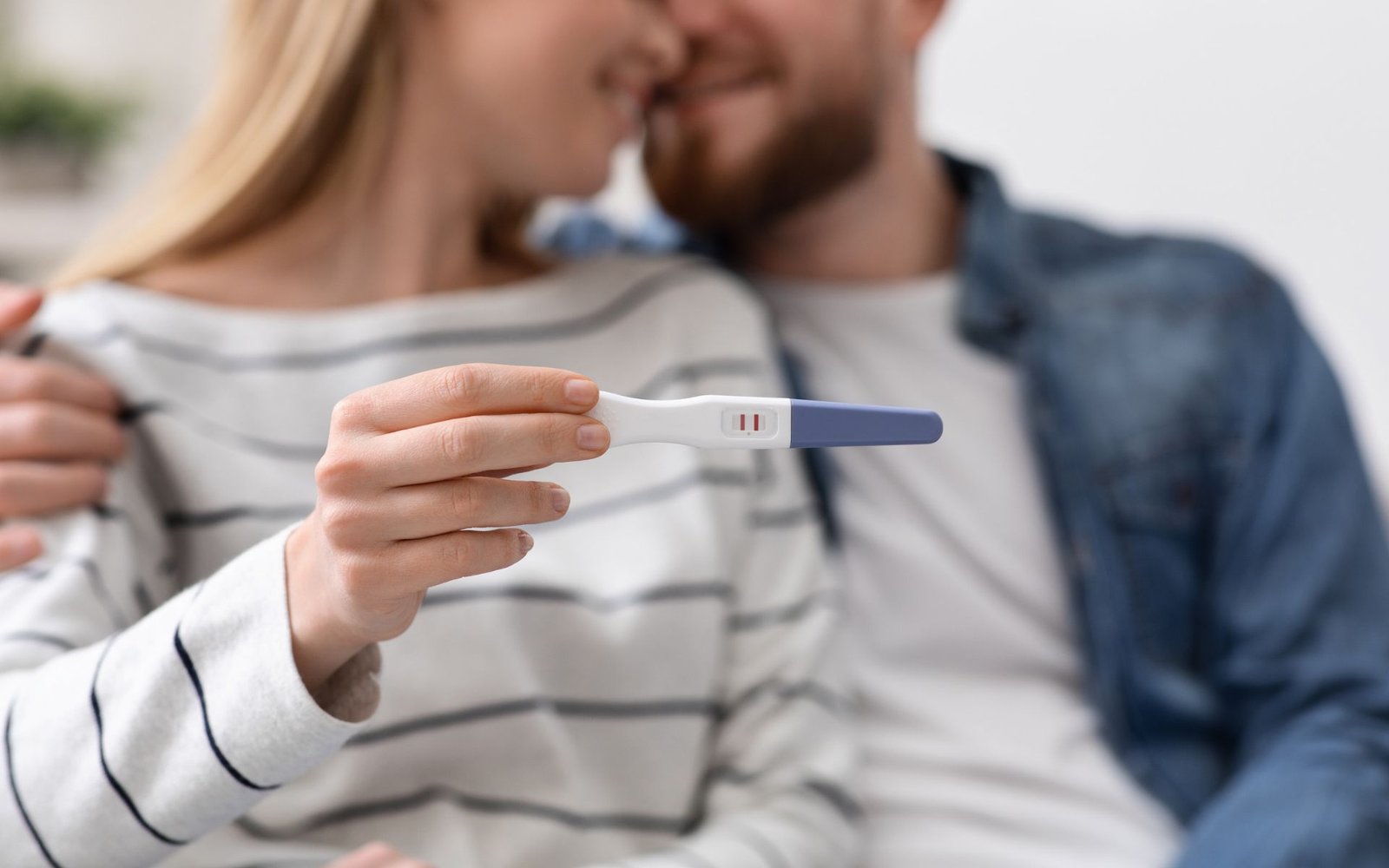
Planning a pregnancy for the first time is an exciting milestone for couples. While many women conceive naturally without medical assistance, some couples may experience difficulty despite regular attempts. Understanding reproductive health before or during pregnancy planning can help identify potential concerns early and support informed decisions.
Fertility is influenced by several factors, including a woman’s age, ovulation, egg quality, fallopian tube health, uterine conditions, and the man’s sperm count and quality. This is why fertility evaluation should ideally involve both partners rather than focusing only on the female partner.
If you are trying to conceive for the first time, you may wonder which medical tests are necessary, when to get them done, and whether every couple needs a fertility assessment. The answer depends on age, medical history, menstrual regularity, and other individual factors.
At Simran IVF & Wellness, couples can seek professional guidance about reproductive health, fertility investigations, and available treatment options. A specialist can help determine which tests are appropriate and whether further evaluation is required.
When Should Couples Consider Fertility Testing?
Not every couple needs extensive fertility testing before trying to conceive. Many couples can begin with general preconception counselling and routine health assessments.
However, fertility evaluation is generally recommended when pregnancy has not occurred after:
- 12 months of regular unprotected intercourse if the woman is under 35.
- 6 months if the woman is 35 or older.
- An earlier stage if the woman is over 40 or either partner has a known medical or reproductive health concern.
Couples may also benefit from earlier evaluation if the woman experiences irregular or absent periods, has a history of PCOS or endometriosis, has undergone pelvic surgery, or has experienced recurrent pregnancy loss. Known male reproductive health problems may also require assessment.
Seeking advice does not automatically mean that IVF treatment will be needed. Testing helps identify possible causes and guides the next steps.
1. Hormonal Blood Tests for Women
Hormones play an important role in ovulation, menstrual regularity, and reproductive health. Blood tests may help doctors understand whether hormonal changes could be affecting a woman’s ability to conceive.
The specific tests depend on menstrual history, symptoms, and medical assessment.
FSH Test
Follicle-stimulating hormone (FSH) helps regulate the development of ovarian follicles. FSH levels may be measured early in the menstrual cycle as part of an assessment of ovarian function.
The result is generally interpreted alongside other hormone levels, age, and ultrasound findings. An FSH test alone cannot determine whether a woman will conceive naturally.
LH Test
Luteinising hormone (LH) plays a role in triggering ovulation. Testing may be recommended when there are concerns about irregular periods, ovulation, or certain hormonal conditions.
In women with PCOS, LH patterns may sometimes differ, but an LH result alone cannot diagnose PCOS.
AMH Test
Anti-Müllerian hormone (AMH) is produced by cells in developing ovarian follicles. It is commonly used as one indicator of ovarian reserve, which refers to the remaining quantity of eggs.
AMH testing may help fertility specialists estimate how the ovaries could respond to fertility medication during treatment. However, it does not directly measure egg quality or guarantee natural pregnancy or IVF success.
Age remains an important factor when interpreting AMH results.
Thyroid Function Test
Thyroid hormones influence several body functions, including menstrual cycles and reproductive health. Both underactive and overactive thyroid conditions may affect menstrual regularity and pregnancy planning.
A thyroid function test, commonly including TSH, may be recommended when symptoms, medical history, or clinical findings suggest a thyroid problem.
Prolactin Test
Prolactin is a hormone involved in breast milk production. Higher-than-normal levels may interfere with ovulation and menstrual regularity in some women.
A prolactin test may be advised for women experiencing irregular periods, absent periods, or symptoms that suggest elevated prolactin levels.
2. Ultrasound Scan for Ovarian and Uterine Health
A pelvic ultrasound is an important investigation in many fertility assessments. It allows a doctor to examine the uterus, ovaries, and surrounding reproductive structures.
A transvaginal ultrasound may provide detailed images of the reproductive organs when clinically appropriate.
It can help assess:
- The size and appearance of the ovaries.
- Antral follicle count.
- Ovarian cysts or other abnormalities.
- Uterine fibroids.
- Endometrial thickness.
- Possible structural concerns involving the uterus.
An ultrasound may also help identify features associated with PCOS. However, ultrasound findings alone are not sufficient to diagnose every fertility condition.
Why Is Antral Follicle Count Important?
Antral follicle count refers to the number of small follicles visible in the ovaries during an ultrasound. It may be used alongside AMH and other clinical information to assess ovarian reserve and help plan fertility treatment when needed.
It is important to remember that ovarian reserve tests estimate egg quantity rather than directly measuring egg quality.
3. Tests to Check Whether Ovulation Is Occurring
Ovulation is the process in which an ovary releases an egg. Regular ovulation is important for natural conception.
Some women ovulate regularly, while others may have irregular or absent ovulation due to PCOS, thyroid disorders, elevated prolactin, changes in body weight, or other hormonal conditions.
Progesterone Test
A progesterone blood test may help confirm whether ovulation has occurred. It is usually performed approximately seven days before the expected next menstrual period rather than automatically on day 21 for every woman.
For women with irregular cycles, the timing may need to be adjusted.
Ovulation Tracking
Ovulation can also be monitored through menstrual cycle tracking, urine-based ovulation predictor kits, or ultrasound monitoring when medically indicated.
Understanding the fertile window can help couples identify the days when intercourse is most likely to result in conception.
4. Semen Analysis for Men
Male fertility is an equally important part of the conception process. A semen analysis is commonly one of the first investigations recommended when evaluating male fertility.
The test examines several characteristics of a semen sample, including:
- Sperm concentration: The number of sperm present in the semen.
- Sperm motility: How effectively sperm move.
- Sperm morphology: The size and shape of sperm.
- Semen volume: The amount of semen produced.
- Other characteristics: Additional laboratory observations that may be relevant.
Abnormal results do not necessarily mean that natural conception is impossible. Semen parameters can vary, and a repeat test may be recommended to confirm findings.
Depending on the results, a doctor may suggest further investigations or referral to a male fertility specialist.
5. Hormonal Tests for Men
Hormonal problems can sometimes affect sperm production and male reproductive health. If semen analysis results are abnormal or symptoms suggest a hormonal condition, additional blood tests may be recommended.
These may include:
Testosterone Test
Testosterone is an important hormone for male reproductive development and sexual function. Low levels may be associated with certain reproductive health concerns.
FSH and LH Tests
FSH and LH help regulate testicular function and sperm production. Measuring these hormones may help investigate some causes of low sperm count or other abnormalities.
Prolactin Test
In selected cases, prolactin testing may be recommended when hormonal symptoms or clinical findings suggest elevated levels.
Hormone results should be interpreted alongside medical history, physical examination, and semen analysis.
6. Tests for Fallopian Tube Health
Healthy fallopian tubes are important for natural conception because fertilisation usually occurs inside a fallopian tube. If one or both tubes are blocked or damaged, the chances of natural conception may be affected.
A doctor may recommend a test to assess whether the fallopian tubes are open, particularly when there is a history of pelvic infection, ectopic pregnancy, endometriosis, or previous pelvic surgery.
Hysterosalpingography (HSG)
HSG is an imaging test used to examine the uterine cavity and assess whether the fallopian tubes are open. A contrast dye is introduced through the cervix, and X-ray images are taken to observe its movement.
HSG may help identify certain structural concerns, although it does not assess every aspect of fertility.
Other Investigations
In selected cases, additional imaging or procedures may be recommended depending on the patient’s medical history and initial findings.
Not every woman needs a fallopian tube test before trying to conceive. The doctor decides whether it is necessary based on individual risk factors.
7. Tests for Uterine Health
The uterus plays an important role in pregnancy because the embryo needs to implant in the uterine lining and continue developing.
Certain uterine conditions may affect implantation or pregnancy outcomes. Depending on symptoms and medical history, investigations may include:
- Pelvic or transvaginal ultrasound.
- Saline infusion sonography.
- Hysteroscopy.
- Other imaging tests when clinically indicated.
These investigations may help identify uterine fibroids, polyps, adhesions, or structural abnormalities.
Further evaluation is particularly important for women with abnormal uterine bleeding, certain previous surgeries, or recurrent pregnancy loss.
8. Preconception Health Tests for Both Partners
Fertility testing is only one part of preparing for pregnancy. General health assessments may also help identify conditions that need attention before conception.
Depending on medical history and local clinical recommendations, a doctor may suggest:
Blood Group and Rh Factor
Knowing blood group and Rh status can be useful during pregnancy planning and antenatal care.
Blood Sugar Testing
Diabetes and elevated blood sugar can affect pregnancy health. Screening may be recommended based on age, weight, family history, PCOS, or other risk factors.
Complete Blood Count
A complete blood count can help identify anaemia and certain blood-related abnormalities.
Infection Screening
Depending on individual circumstances and pregnancy planning guidelines, screening for selected infections may be recommended.
Immunisation Review
A healthcare professional may review vaccination history and discuss immunisations that should be completed before pregnancy, when appropriate.
Not every couple needs every test. A doctor can recommend investigations based on health history and individual risk.
9. Fertility Testing for Women With PCOS
Polycystic ovary syndrome, also called PCOS or PCOD, is a common hormonal condition that can affect ovulation and menstrual regularity.
Women with PCOS may experience irregular periods, acne, excess facial or body hair, weight changes, or difficulty conceiving. However, PCOS does not mean that pregnancy is impossible.
A fertility assessment may include:
- Menstrual and medical history.
- Hormonal blood tests when indicated.
- Pelvic ultrasound.
- Assessment of blood sugar and metabolic health.
- Evaluation of other possible causes of irregular periods.
Treatment may involve lifestyle guidance, management of associated health conditions, ovulation induction, and fertility treatment when appropriate.
10. Why Should Both Partners Get Tested Together?
One common misconception is that fertility testing is only necessary for women. In reality, fertility difficulties can involve female factors, male factors, a combination of both, or unexplained causes.
Evaluating both partners can help avoid delays and unnecessary investigations. For example, a woman may have regular ovulation and normal ultrasound findings, while a semen analysis identifies a possible male-factor concern.
A couple-based approach helps the fertility specialist understand the complete picture before recommending treatment.
How to Prepare for Your First Fertility Consultation
Before visiting a fertility specialist, couples can prepare a few important details to make the consultation more useful.
Keep a record of menstrual cycle dates, previous pregnancy history, current medication, known medical conditions, and any previous fertility investigations. Men may also be asked about relevant medical history, previous surgeries, medication use, and lifestyle factors.
Bring previous ultrasound reports, blood test results, and semen analysis reports if available. Avoid repeating tests without discussing them with the doctor, as existing reports may still be useful.
It is also helpful to prepare questions about the recommended investigations, treatment alternatives, expected timelines, and possible follow-up visits.
What Happens After Fertility Tests?
Once the investigations are completed, the fertility specialist reviews the results alongside the couple’s medical history and reproductive goals.
If no significant concerns are identified, the doctor may suggest continuing natural conception attempts with appropriate guidance. If ovulation problems are found, medication or monitoring may be considered. Other findings may require additional evaluation or specific treatment.
Depending on the diagnosis, options may include ovulation induction, timed intercourse, IUI, IVF, or IVF with ICSI. Not every couple needs assisted reproductive treatment.
The goal of fertility testing is to identify relevant concerns and help couples choose an appropriate course of action.
When Should You Consult a Fertility Specialist?
Couples should consider professional guidance if they have been trying to conceive without success for the recommended period, or earlier if there are known reproductive health concerns.
You may benefit from an appointment if you experience irregular periods, have a history of PCOS or endometriosis, have undergone pelvic surgery, have known sperm-related concerns, or have experienced repeated pregnancy loss.
Early assessment can help clarify whether further testing is needed and prevent unnecessary delays in addressing an underlying condition.
Fertility Consultation at Simran IVF & Wellness
At Simran IVF & Wellness, couples can seek guidance about female infertility, male infertility, PCOS-related fertility concerns, ovulation problems, and assisted reproductive treatment options.
Dr. Gursimran Dhaliwal, MBBS, MS, FICS, is a fertility specialist with professional training in reproductive medicine at the CCC for Human Reproduction in Singapore, advanced operative laparoscopy at AIIMS New Delhi, and further training at the Kiel School of Endoscopy in Germany.
The clinic has established centres in Mohali, Barnala, and Amritsar. Couples can contact the team to discuss consultation arrangements and confirm the appropriate centre before travelling.