
Male infertility is a common reproductive health concern that can make it difficult for couples to achieve pregnancy. While infertility is often associated with female reproductive health, male factors can also contribute significantly to difficulty conceiving. Problems such as low sperm count, poor sperm motility, abnormal sperm morphology, hormonal imbalances, varicocele, sperm production disorders, and blockage in the reproductive tract may affect male fertility.
With advances in reproductive medicine, men have access to several diagnostic and treatment options. Modern male infertility treatment in Punjab can involve detailed evaluation, lifestyle management, medicines, surgical procedures, sperm retrieval techniques, and assisted reproductive technologies such as IUI, IVF, and ICSI. The appropriate approach depends on the underlying cause, the couple’s overall fertility profile, and the recommendations of a fertility specialist.
What Is Male Infertility?
Male infertility refers to difficulty achieving pregnancy because of factors affecting the male reproductive system. A couple may be evaluated for infertility when pregnancy has not occurred despite regular unprotected intercourse for an appropriate period.
Male infertility does not necessarily mean that a man cannot become a biological father. In many cases, the underlying cause can be identified and treated, while in other situations assisted reproductive techniques may help couples pursue pregnancy.
Early evaluation is particularly important when there is a history of testicular problems, previous reproductive surgery, hormonal disorders, sexual difficulties, chemotherapy or radiation treatment, or known abnormalities affecting sperm production.
Common Causes of Male Infertility
There are several possible causes of male infertility. One of the most commonly identified concerns is abnormal semen quality. This can include low sperm count, reduced sperm motility, or abnormal sperm morphology.
Hormonal problems may also affect sperm production. The reproductive system depends on a coordinated interaction between the brain, pituitary gland, and testes. Disturbances in this hormonal pathway can sometimes reduce sperm production.
Varicocele, which involves enlarged veins around the testicle, may also be associated with impaired sperm production in some men. Certain infections, previous surgeries, injuries, genetic conditions, and blockages in the reproductive tract can also contribute to infertility.
Lifestyle factors may have an impact as well. Smoking, excessive alcohol consumption, obesity, poor sleep, prolonged heat exposure, and certain medications may affect reproductive health in some individuals.
When Should a Man See a Fertility Specialist?
Many couples initially assume that infertility evaluation should focus primarily on the woman. However, evaluating both partners is an important part of infertility care.
A man may benefit from a fertility evaluation if pregnancy has not occurred after an appropriate period of trying, particularly when there are known risk factors. Men with a history of undescended testicles, testicular injury, reproductive surgery, chemotherapy, recurrent infections, erectile or ejaculation difficulties, or previous fertility problems may also benefit from earlier assessment.
Seeking specialist advice does not automatically mean that IVF or another advanced treatment will be required. A proper evaluation helps determine whether the issue can be addressed with lifestyle changes, medicines, surgery, or assisted reproductive treatment.
Diagnosis of Male Infertility
The first step in male infertility treatment is identifying the possible cause. A fertility specialist may review the man’s medical history, lifestyle, previous surgeries, medications, reproductive history, and sexual health.
A semen analysis is one of the most important initial investigations. It can provide information about sperm concentration, motility, morphology, and other semen parameters.
Depending on the findings, additional investigations may be recommended. These can include hormonal testing, ultrasound examinations, genetic testing, or other specialized assessments.
In selected cases, sperm DNA fragmentation testing may also be considered. It examines the integrity of genetic material within sperm and may provide additional information in certain fertility situations.
Lifestyle Changes and Male Fertility
Lifestyle management can form an important part of male infertility care. Maintaining a healthy weight, eating a balanced diet, exercising regularly, getting adequate sleep, and avoiding tobacco can support overall reproductive health.
Men trying to conceive should also discuss alcohol consumption, recreational drug use, supplements, and medications with their healthcare provider. Some substances or medications can affect sperm production.
Because sperm production takes time, improvements in lifestyle may not be reflected immediately in semen parameters. A fertility specialist can advise on realistic expectations and whether additional treatment is appropriate.
Medicines for Male Infertility
Medication may be recommended when a specific medical or hormonal problem is identified. Treatment is not the same for every man because male infertility can have many different causes.
Hormonal treatment may be useful in selected men with certain hormonal disorders affecting sperm production. Other medicines may be prescribed when there is an identifiable infection or another treatable medical condition.
Men should avoid taking fertility medicines or testosterone supplements without medical supervision. In particular, testosterone therapy can suppress the body’s natural sperm production and may negatively affect fertility in men who are trying to conceive.
Surgical Treatment for Male Infertility
Some causes of male infertility may require surgical treatment. Varicocele treatment may be considered in selected men when clinical findings and fertility evaluation indicate that intervention could be beneficial.
Surgery may also be considered when there is a blockage in the reproductive tract. In carefully selected situations, correcting an obstruction may allow sperm to be present in the semen again.
The decision to undergo surgery depends on the underlying diagnosis, sperm parameters, duration of infertility, female partner’s fertility factors, and the couple’s reproductive goals.
IUI for Male Infertility
Intrauterine insemination, commonly called IUI, may be considered for selected couples when male infertility is mild or when other fertility factors make IUI appropriate.
During IUI, prepared sperm are placed directly into the uterus around the time of ovulation. Sperm preparation helps concentrate the more suitable sperm for insemination.
IUI may not be appropriate when sperm count or motility is severely reduced. A fertility specialist can assess semen parameters and other factors before recommending whether IUI is suitable.
IVF and ICSI for Male Infertility
IVF is an important treatment option when infertility cannot be adequately addressed through simpler approaches or when there are additional fertility factors.
During IVF, eggs are retrieved from the female partner and fertilized with sperm in a laboratory. In conventional IVF, sperm and eggs are placed together to allow fertilization to occur.
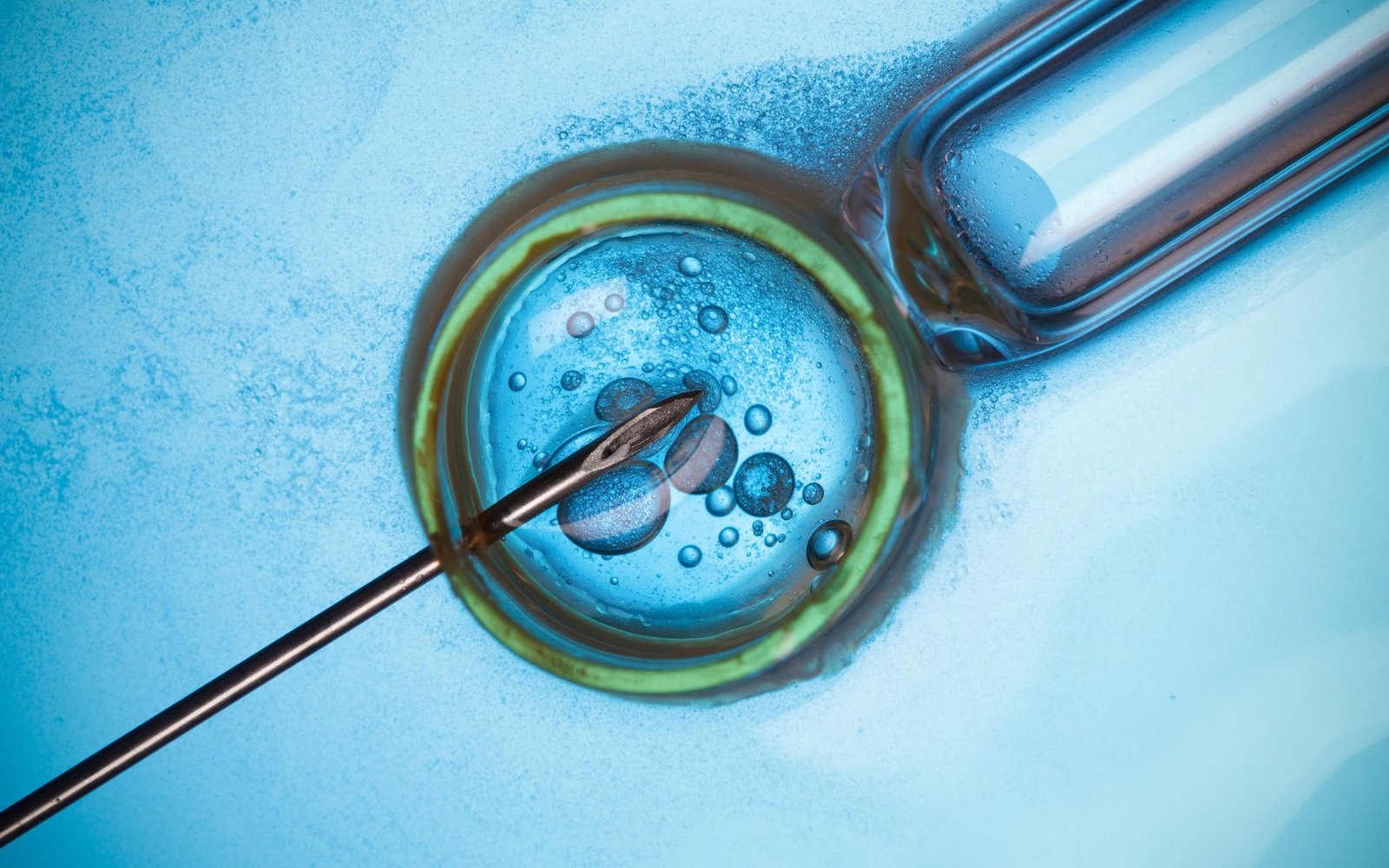
ICSI, or intracytoplasmic sperm injection, is an advanced fertilization technique in which a selected sperm is injected directly into an egg. ICSI may be considered when sperm count is very low, sperm motility is significantly reduced, previous fertilization has been unsuccessful, or sperm has been obtained through a surgical retrieval procedure.
The choice between conventional IVF and ICSI should be individualized rather than automatically using one technique for every couple.
Advanced Sperm Selection Techniques
Modern fertility laboratories may offer additional sperm selection techniques for selected cases. PICSI, IMSI, and microfluidic sperm-selection approaches may be considered depending on the couple’s clinical situation and laboratory protocols.
PICSI involves selecting sperm based on their ability to bind to hyaluronan, while IMSI uses high-magnification microscopy to examine sperm morphology in greater detail. Microfluidic techniques can help separate sperm based on certain physical and functional characteristics.
These techniques are not necessary for every couple. A fertility specialist and embryology team can determine whether an advanced sperm-selection approach may be appropriate.
Micro-TESE for Severe Male Infertility
Some men have no sperm in the ejaculate, a condition known as azoospermia. Depending on the cause, sperm may sometimes be retrieved directly from the testicular tissue.
Micro-TESE, or microsurgical testicular sperm extraction, is a specialized procedure that uses microscopic techniques to search for areas of sperm production within the testis. If viable sperm are retrieved, they may be used with ICSI for fertilization.
Micro-TESE is a specialized treatment and is not suitable for every case of azoospermia. A detailed evaluation is necessary before considering the procedure.
Why Early Evaluation Matters
Male infertility can sometimes be overlooked because couples may initially focus only on female fertility. Evaluating both partners early can prevent unnecessary delays and help doctors identify the most appropriate treatment pathway.
A fertility specialist may begin with relatively simple investigations before recommending advanced procedures. Depending on the findings, treatment may involve lifestyle changes, medical management, surgery, IUI, IVF, ICSI, or specialized sperm retrieval.
Choosing Male Infertility Treatment in Punjab
Couples looking for male infertility treatment in Punjab should consider a fertility centre that provides comprehensive evaluation and access to appropriate reproductive medicine services. A multidisciplinary approach can be particularly useful when male and female fertility factors are present together.
Modern fertility care may include semen analysis, hormonal evaluation, advanced sperm assessment, IUI, IVF, ICSI, sperm freezing, surgical sperm retrieval, and selected laboratory techniques such as PICSI, IMSI, or microfluidics.
The right treatment is not necessarily the most advanced treatment. The goal is to identify the underlying fertility issue and select an approach that fits the couple’s individual circumstances.
Conclusion
Male infertility is a medical condition with many possible causes, and modern reproductive medicine offers several treatment options. From lifestyle management and medicines to surgical procedures, IUI, IVF, ICSI, advanced sperm-selection techniques, and sperm retrieval procedures such as Micro-TESE, treatment can be tailored according to the specific fertility problem.
If you are experiencing difficulty conceiving, both partners should be evaluated rather than assuming that infertility is caused by only one partner. Early consultation with a qualified fertility specialist in Punjab can help identify potential causes, explain available options, and develop an individualized treatment plan aimed at helping couples move forward on their fertility journey.